
What Chinese Food Brands Need to Know Before Entering Canada
Food going abroad is not a shipping problem. Compliance, labelling, channels and local distributors decide whether the brand actually enters the market.
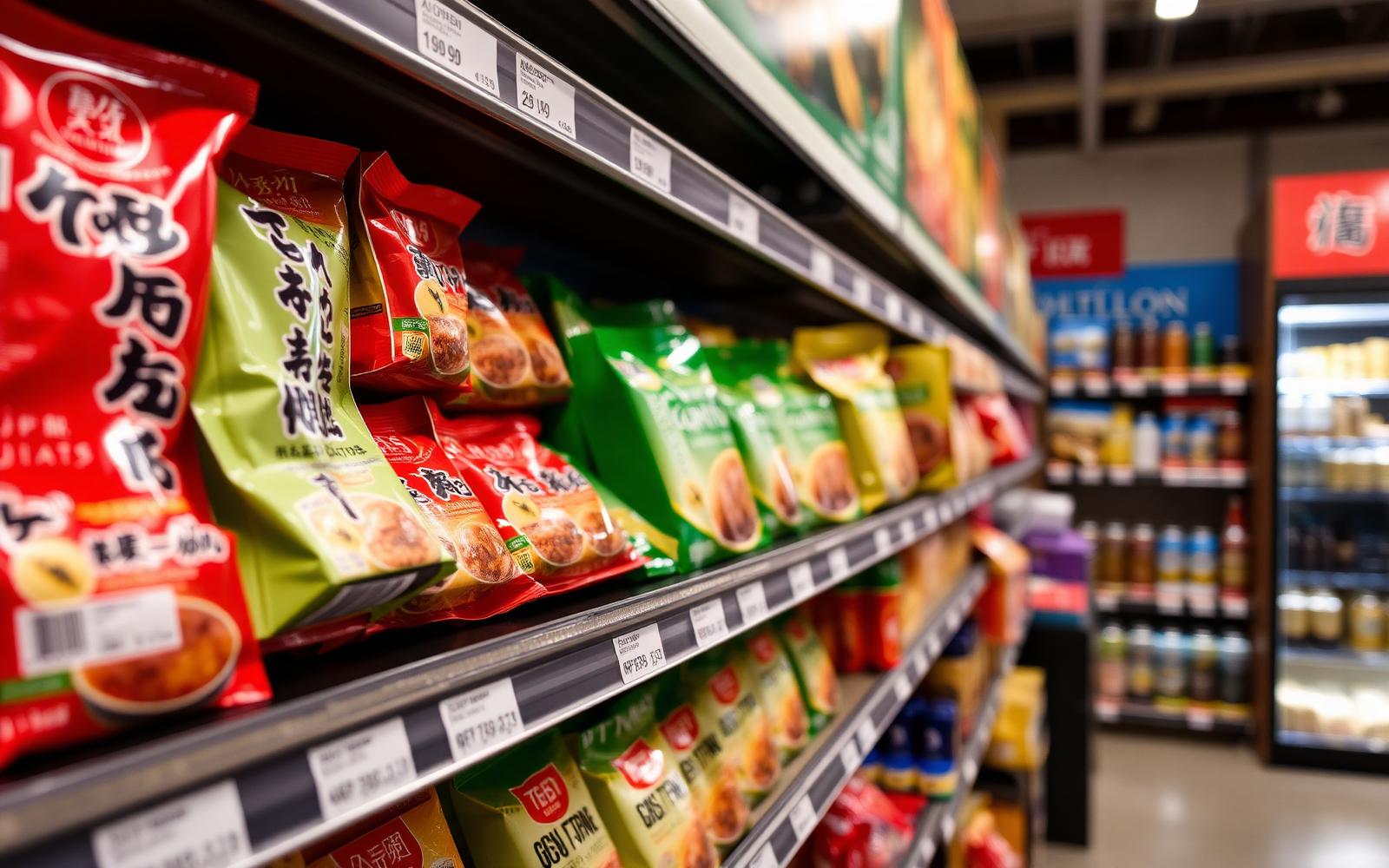
The category most often underestimated
Food is one of the categories where Chinese brands most often underestimate the difficulty of going abroad. Many companies assume that if a product sells well at home, has nice packaging and a distinctive flavour, it can simply be placed in Canadian supermarkets or e-commerce platforms. In practice, food entering Canada has to clear five layers at once: regulation, labelling, import, channel and consumer understanding.
Layer 1: regulatory requirements
Canada has a mature food regulation system covering food safety, import qualification, storage, transport, packaging and labelling. For ordinary pre-packaged food, you need to confirm whether the product can be imported, who acts as importer, whether labels meet the rules and whether any special claims are involved. Dairy, animal-origin products and health-claim products often face higher thresholds.
Layer 2: bilingual labelling
Food entering Canadian retail typically needs to meet English + French bilingual labelling requirements. Labels are not only about translating Chinese into English and French — they include the nutrition facts table, ingredients, allergens, net contents, country of origin, storage conditions, manufacturer or importer information. Many Chinese food packs need to be fully redesigned at this stage.
Layer 3: nutrition and benefit claims
Domestic food brands often emphasize 'wellness, immunity, body conditioning, fixing certain problems'. In the Canadian market, claim boundaries for food and health products are stricter. Without proper basis and approval, companies should not casually use disease, treatment or medical-implication language. Safer framings for food brands are usually lifestyle, regional culture, flavour, nutritional composition and consumption occasion.
Layer 4: channel reality
You don't enter Canadian mainstream supermarkets just by holding a product deck. Loblaws, Sobeys, Metro, Costco and other major channels typically require supplier onboarding, category manager review, distributor relationships, logistics capacity, insurance, barcoding, compliance documents and adherence to shelf cycles. For first-time entrants, starting from local distributors, small specialty stores, Asian supermarkets, health food stores or community showcases is usually more realistic.
Layer 5: consumer understanding
Many Chinese foods carry strong cultural context at home that overseas consumers don't share. Regional specialties, traditional ingredients, ethnic foods, functional drinks all have to be re-explained: What is it? How do you eat it? When? How does it relate to products local consumers already know? Why is the price reasonable?
Four foundational tasks before formal entry
Before formally entering the Canadian market, we recommend Chinese food brands complete four foundational tasks: a preliminary compliance assessment (whether import is possible, under what status, any special regulation involved); bilingual packaging and labelling preparation (at least English/French materials suitable for discussion and showcase); a buyer-grade English product pack (selling points, specs, price band, channel suggestions, partnership terms); a small-scale market test (local showcase, tastings, KOLs, consumer feedback or trade shows to validate response).
For many food brands, phase one doesn't have to be large-scale sales. Completing a Canadian market showcase, consumer feedback and initial channel conversations is steadier — and the results serve later formal import as well as domestic recruitment and brand storytelling.
YF Consulting Inc. supports Chinese food brands with Canadian market showcases, English product materials, local feedback, initial distributor outreach and pre-sales compliance pathway guidance.
Planning a North America market showcase? Speak with YF Consulting.